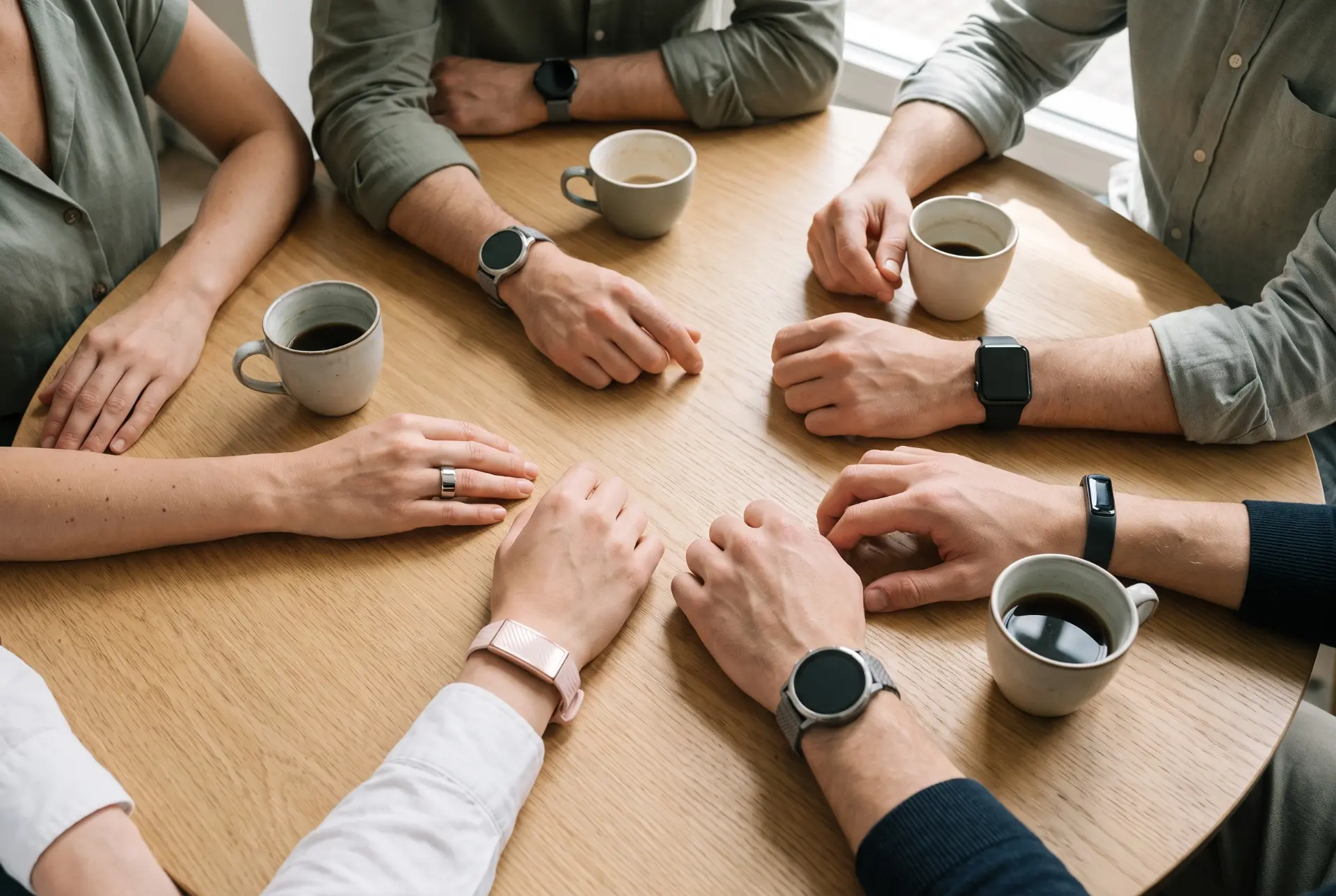
Europe’s record heat stress highlights why workplace wellbeing must include sleep, recovery and working conditions. How wearables and privacy-protecting HR insights can support practical action.
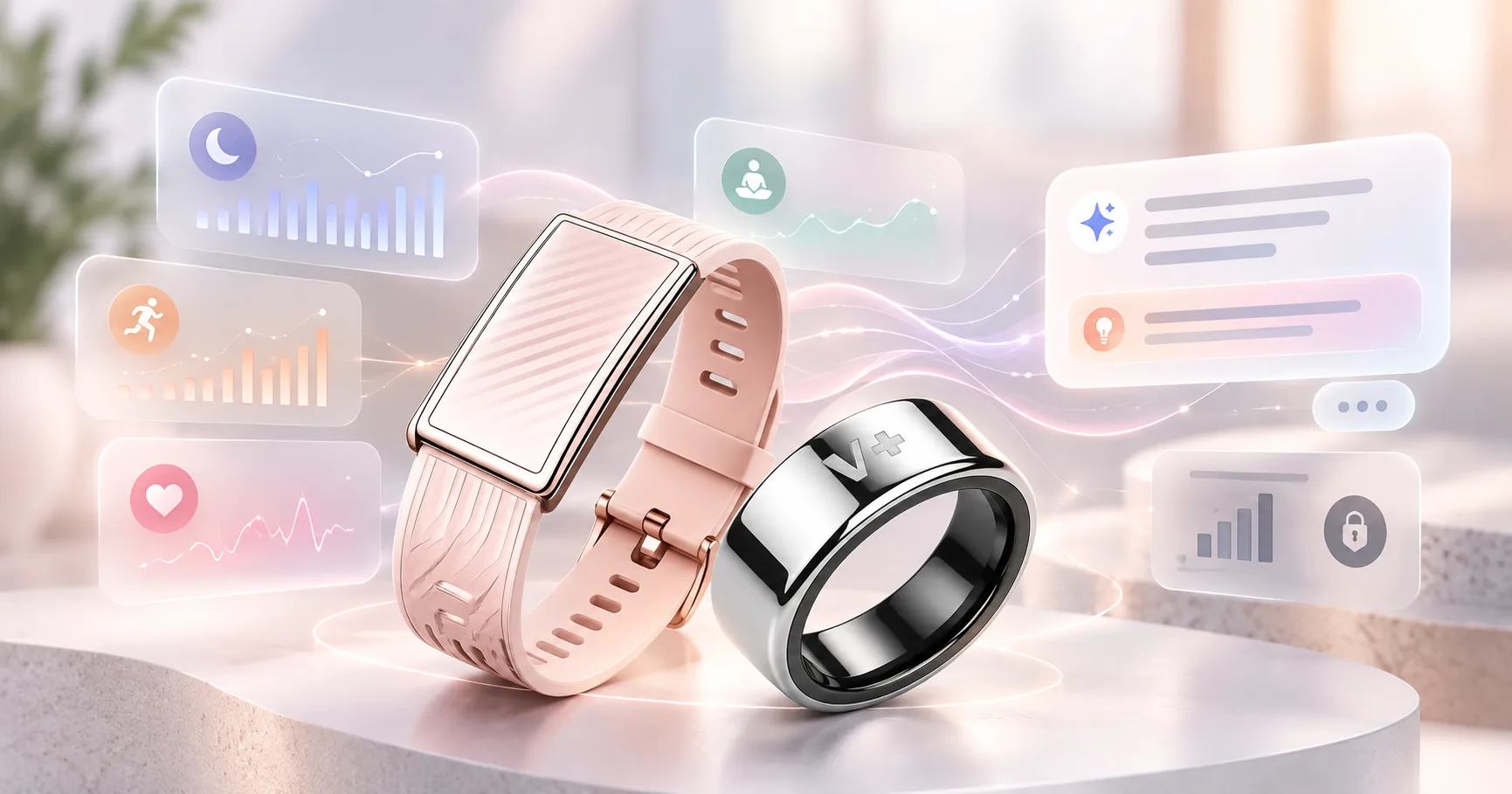
Wearables collect an enormous amount of health data. AI can help turn that data into something more valuable: information employees can actually understand and use.
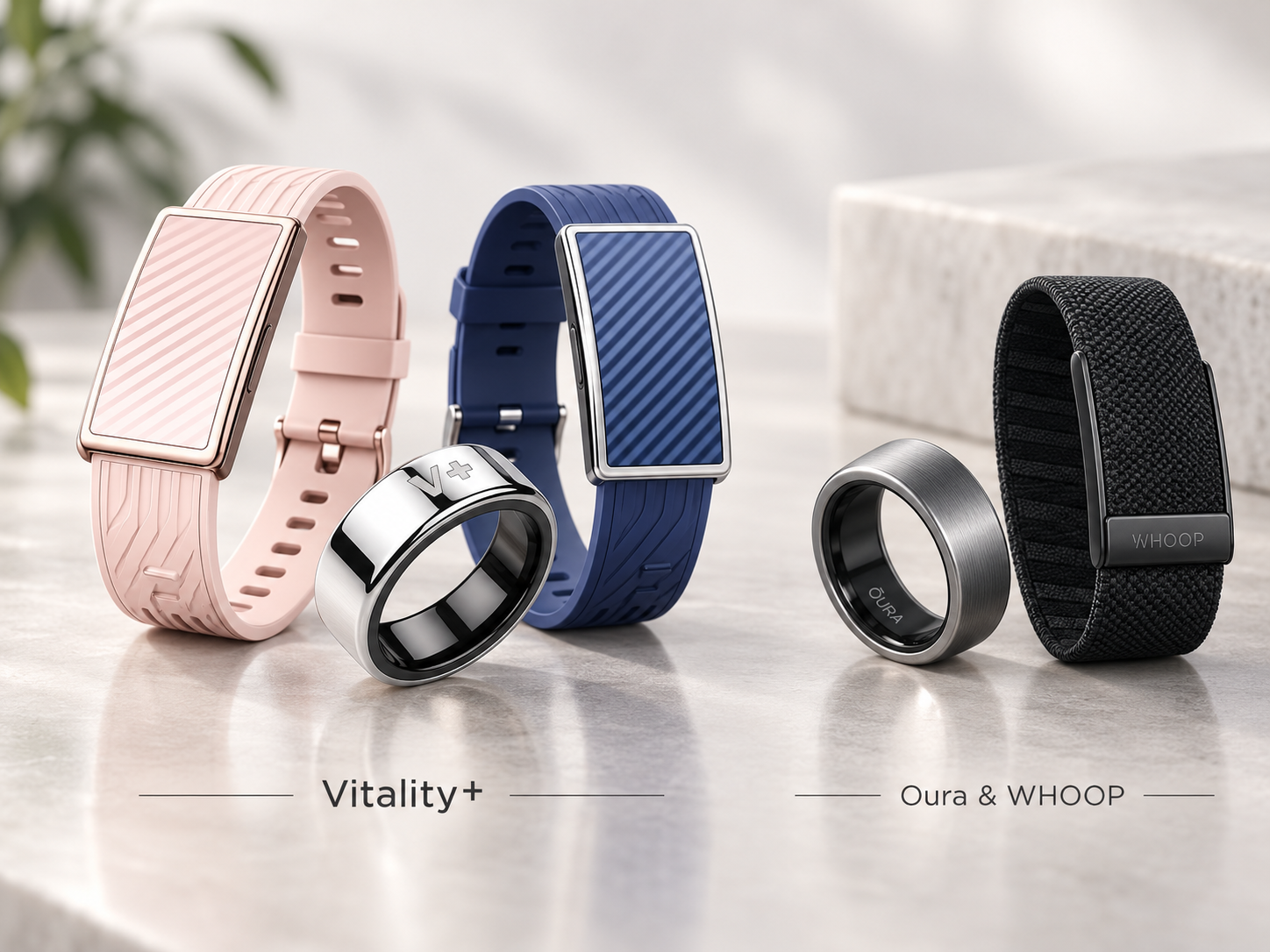
A wearable is only the starting point: why a corporate wellbeing program with engagement, points and rewards beats simply handing out an Oura or a WHOOP.
Adoption, active participation and retention measure different things. Why wearables keep people engaged over months: passive data collection, low friction and freedom to use the device they already own.
You measure it with objective, continuous data: sleep, stress, recovery and activity, collected every day from the wearable people already own, aggregated into groups of at least 30 people and compared against a baseline. Surveys remain useful for understanding why. Physiological data tells you what is changing, and when.
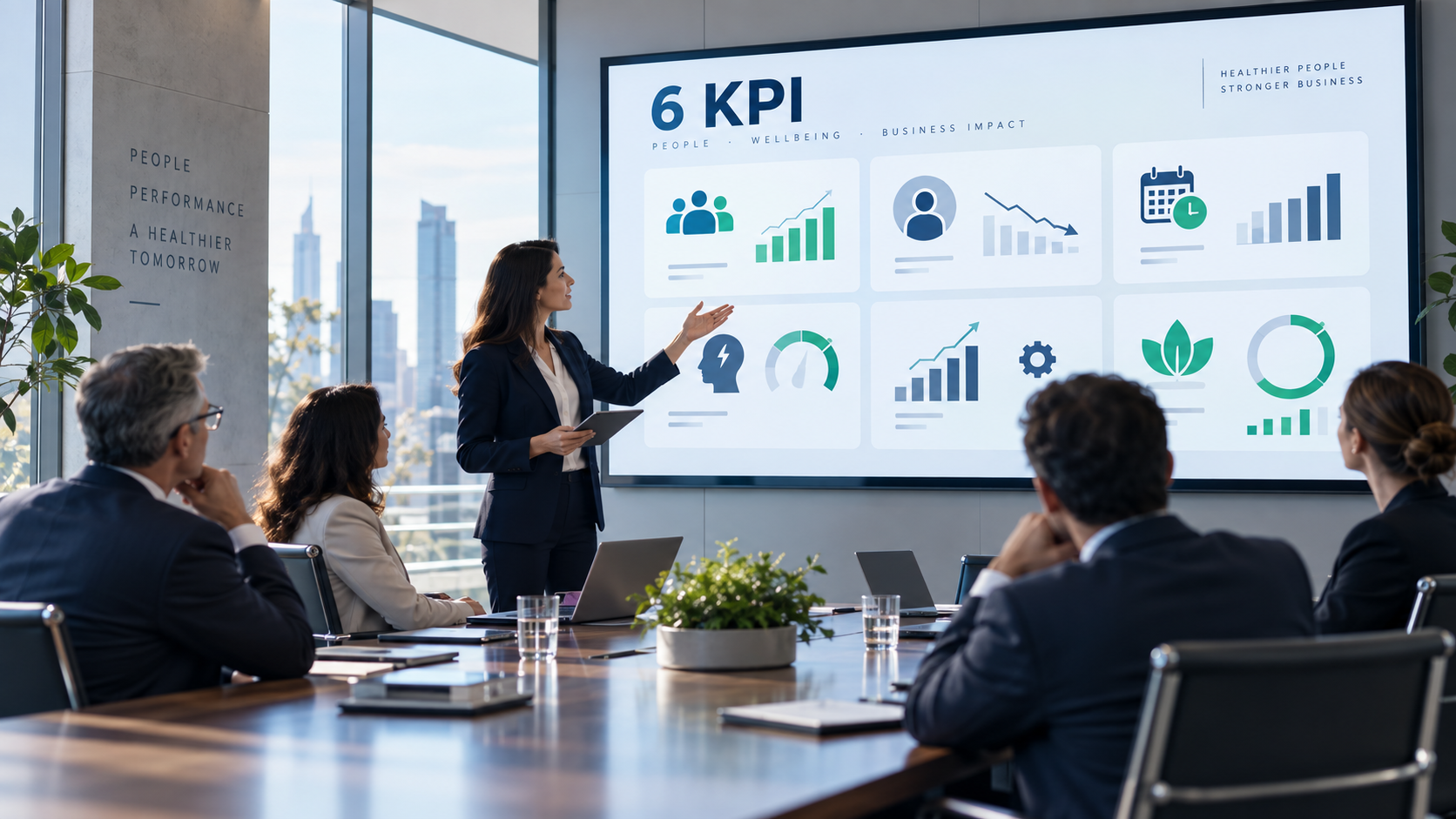
Six: adoption, active participation, average sleep, average stress and recovery, average activity, average BMI. All by group, never by person, and all read as a change against a baseline.
Let people use the wearable they already own and provide a device only to those who have none. Why a device-agnostic platform beats a single brand: adoption, cost, data quality and privacy.
Published
Start with a 15-minute call.
See the employee experience, explore the HR dashboard, and receive a proposal tailored to your organisation.